Pier & shore
War Veterans' Memorial Park
Bay Pines · West St. Pete
- Guide budget
- Free access listed
- Suggested timing
- Weekday mornings
A big, shaded, genuinely local park with a fishing pier, a dog park and almost no visitors.
The St. Pete fishing guide · Your day, your pace
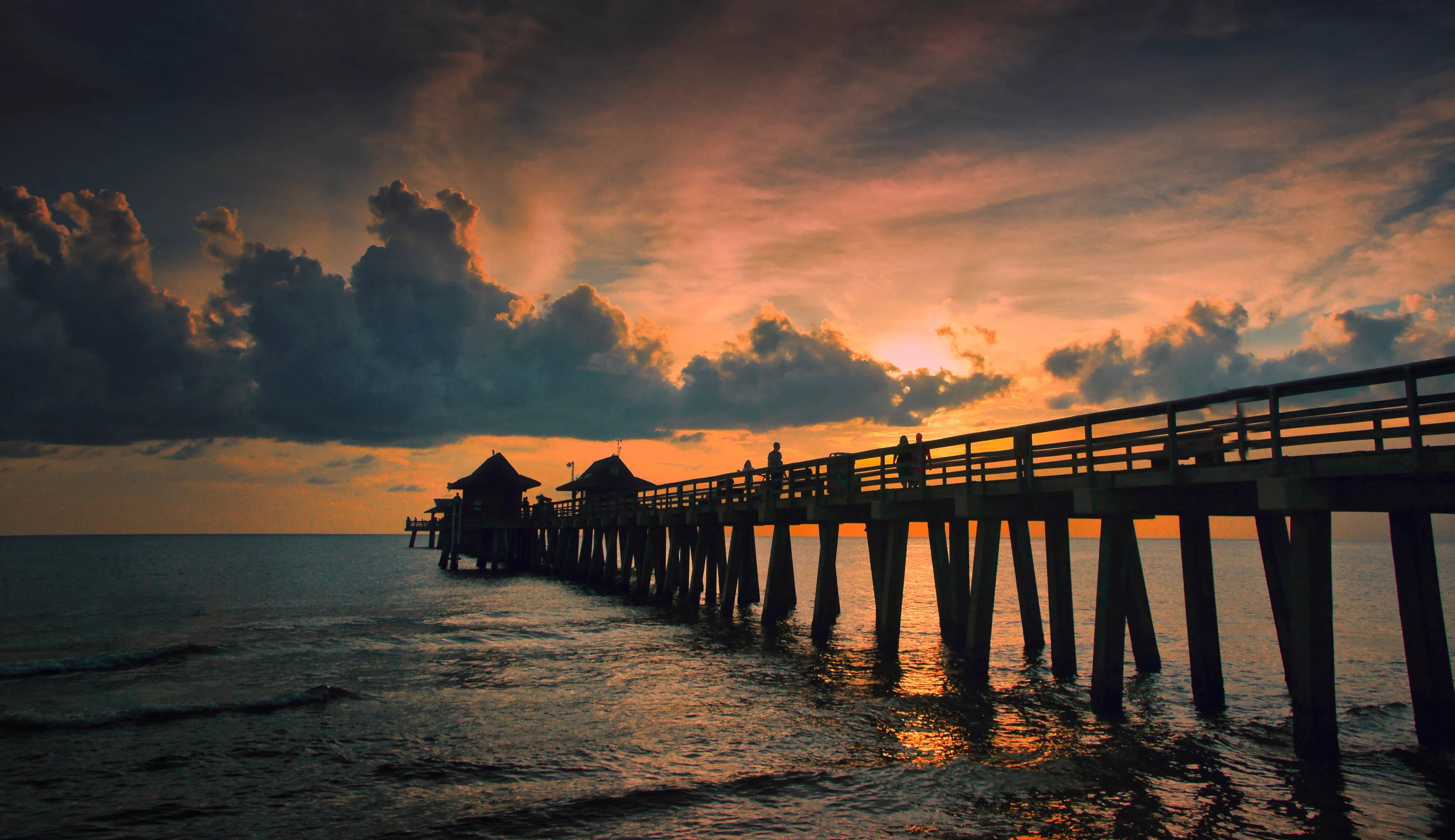
A first cast from the pier. A quiet morning on the flats. Find a spot, get to know the fish, and plan a day worth slowing down for.
Find my fishing spotIllustrative photo
Checked September 19, 2026
Skyway: Official notices list access restrictions beyond the bait shop and limited south-pier power and lighting. Check park notices
Fort De Soto: The county now states that fishing licenses are required throughout the park, including the piers. Read the county’s guidance
THE ANGLER’S DESK
Read the water. Choose the tackle.
Leave with a plan, not a guess.
NOAA TIDE PREDICTIONS
St. Petersburg station · Local Eastern time · Heights in feet above MLLW
Tide height is not tidal-current speed. Timing differs at Gulf beaches, passes and the Skyway; wind can change water levels. This chart is not a bite forecast or a navigation tool.
CHECK THE OTHER HALF
Read the marine forecast and advisories.
Check the latest FWC sampling map.
Review park notices, especially at Skyway.
Find your kind of day
Choose how you want to fish. Access and conditions can change. Check the location before heading out.
Spots for your day Guide information · confirm current access and fees
Bay Pines · West St. Pete
A big, shaded, genuinely local park with a fishing pier, a dog park and almost no visitors.
South St. Pete
The city's biggest freshwater lake. Bass fishing, a boat ramp and a two-mile shoreline path.
Fort De Soto Park, Tierra Verde
Gulf and bay fishing access, with a bait concession at the Gulf pier.
Your place, your people, your plan. Save a date and notes to My Trip without creating an account.
THE SHORTLIST
Compare up to three places side by side.
Save your favorites to My Trip.
A big, shaded, genuinely local park with a fishing pier, a dog park and almost no visitors.
Explore this spotThe city's biggest freshwater lake. Bass fishing, a boat ramp and a two-mile shoreline path.
Explore this spotGulf and bay fishing access, with a bait concession at the Gulf pier.
Explore this spotGuide information. Confirm current access, fees and conditions before departure.
Open My TripTHE PRACTICAL DETAILS
Hours, bait, parking and the catch before the catch.
Access notes reviewed September 19, 2026.
Confirm license coverage; free entry does not establish a license exemption.
The county states a fishing license is required throughout the park, including both piers.
Call the park before a night session: south-pier lighting and bait-shop service may be limited.
A resident shoreline license does not cover fishing from a kayak or arriving at a spot by boat.
Amenities and access can change after storms. For step-free access, rail height, accessible parking and toilets, confirm the exact facility with the operator before travelling. Skyway’s annual course and gear rules
Where to fish
Ordered roughly by how easy they are to just turn up to.
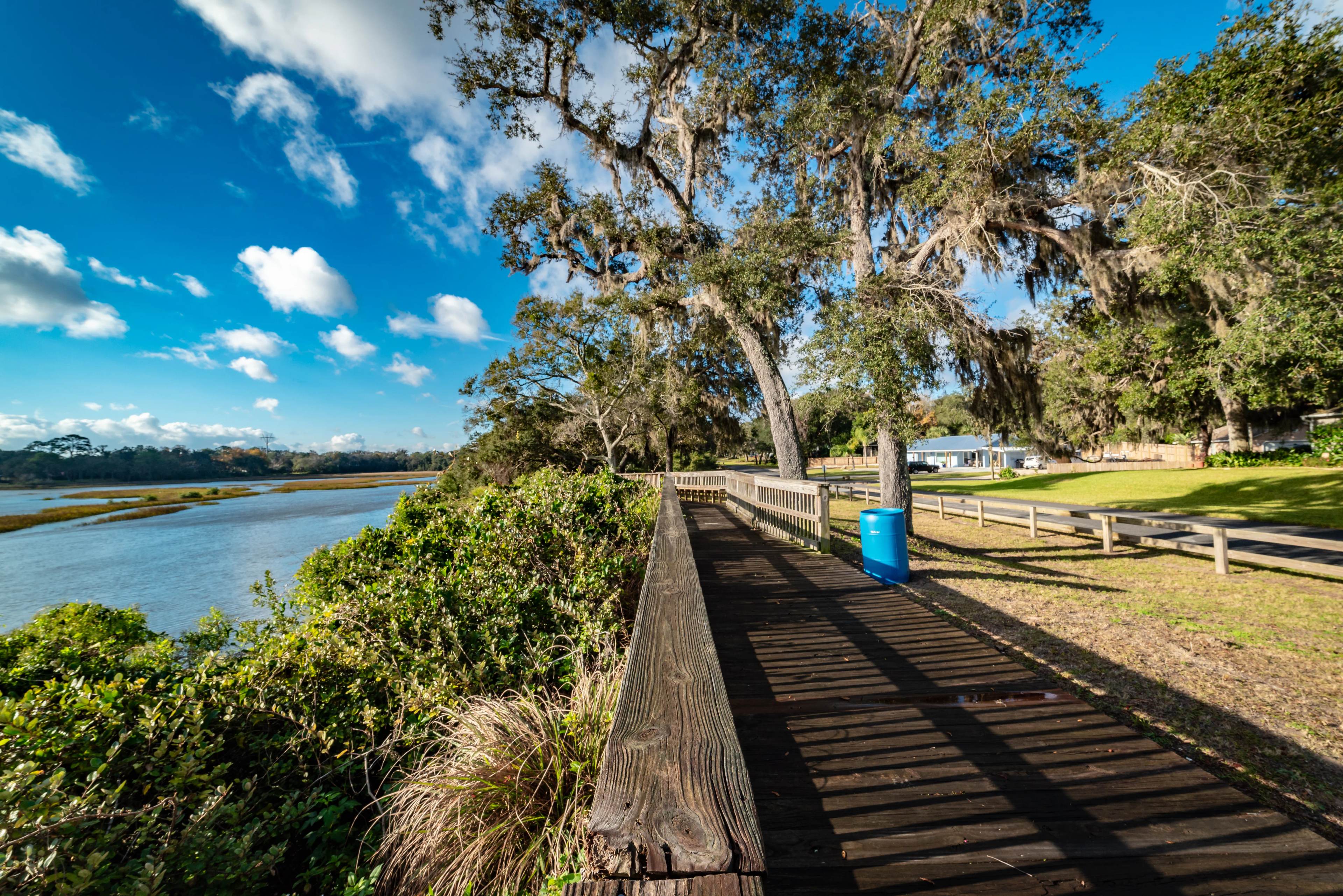
Bay Pines · West St. Pete
A big, shaded, genuinely local park with a fishing pier, a dog park and almost no visitors.
Best: Weekday mornings
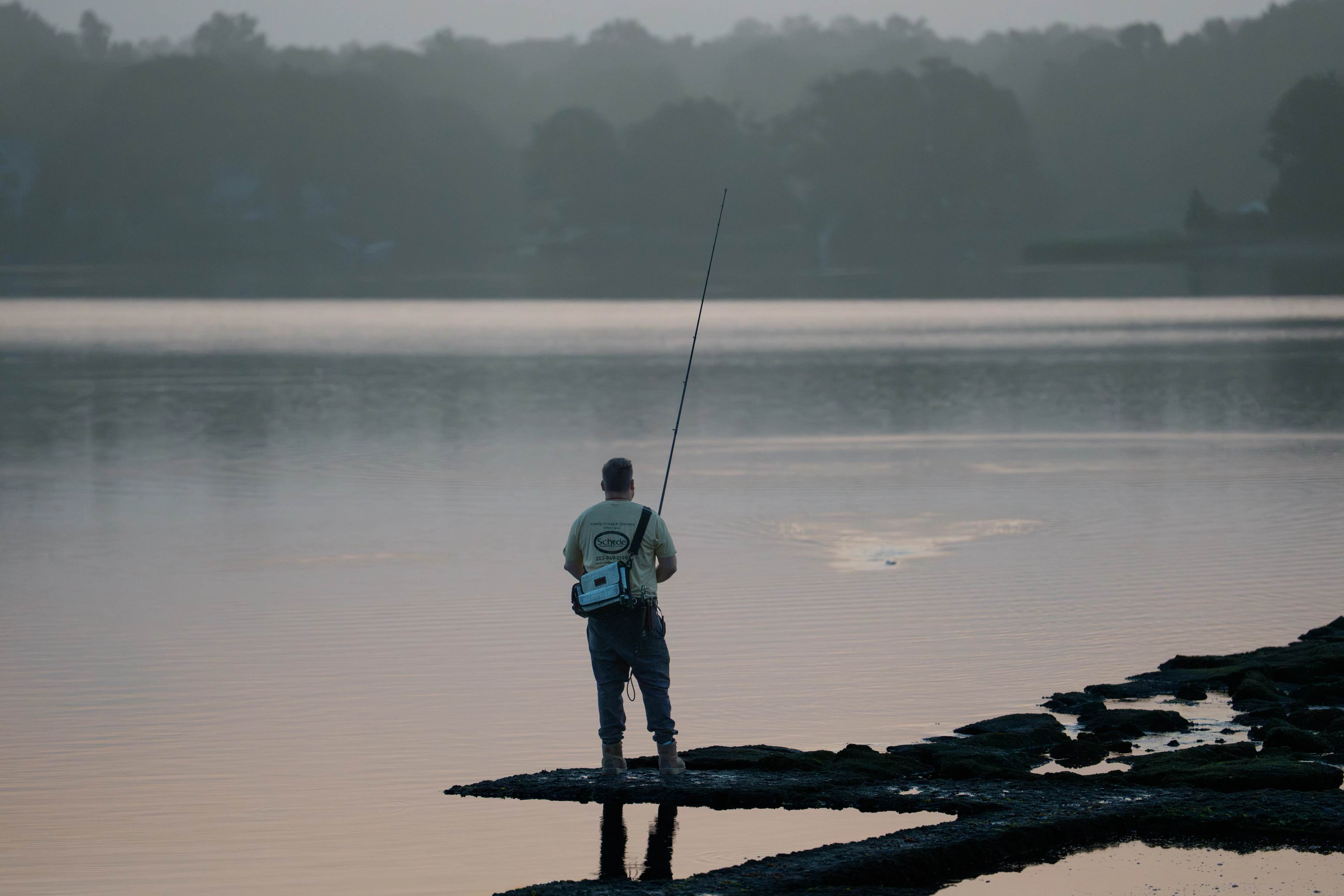
South St. Pete
The city's biggest freshwater lake. Bass fishing, a boat ramp and a two-mile shoreline path.
Best: Dawn
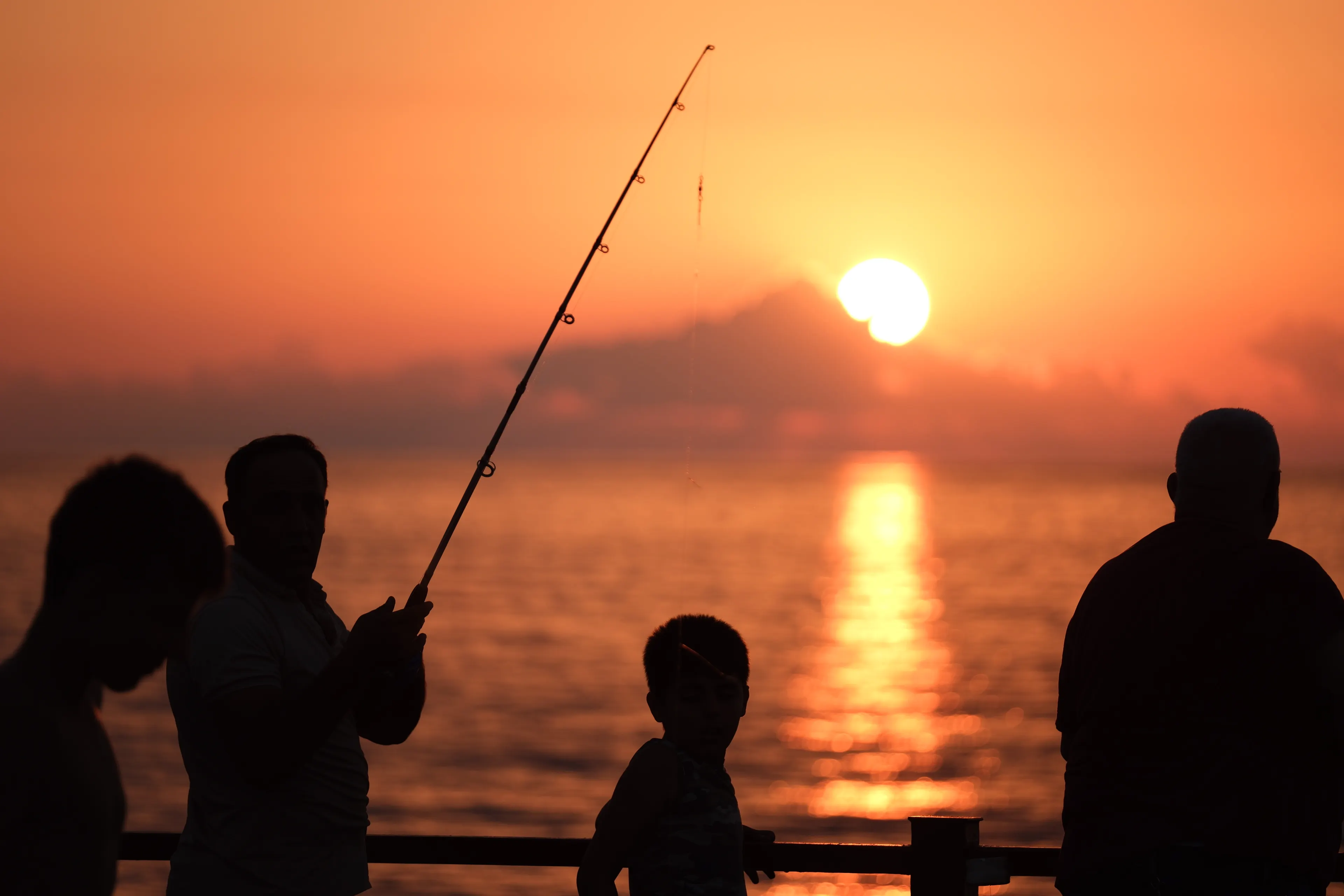
Fort De Soto Park, Tierra Verde
Gulf and bay fishing access, with a bait concession at the Gulf pier.
Best: After 7 a.m., with suitable weather and tide
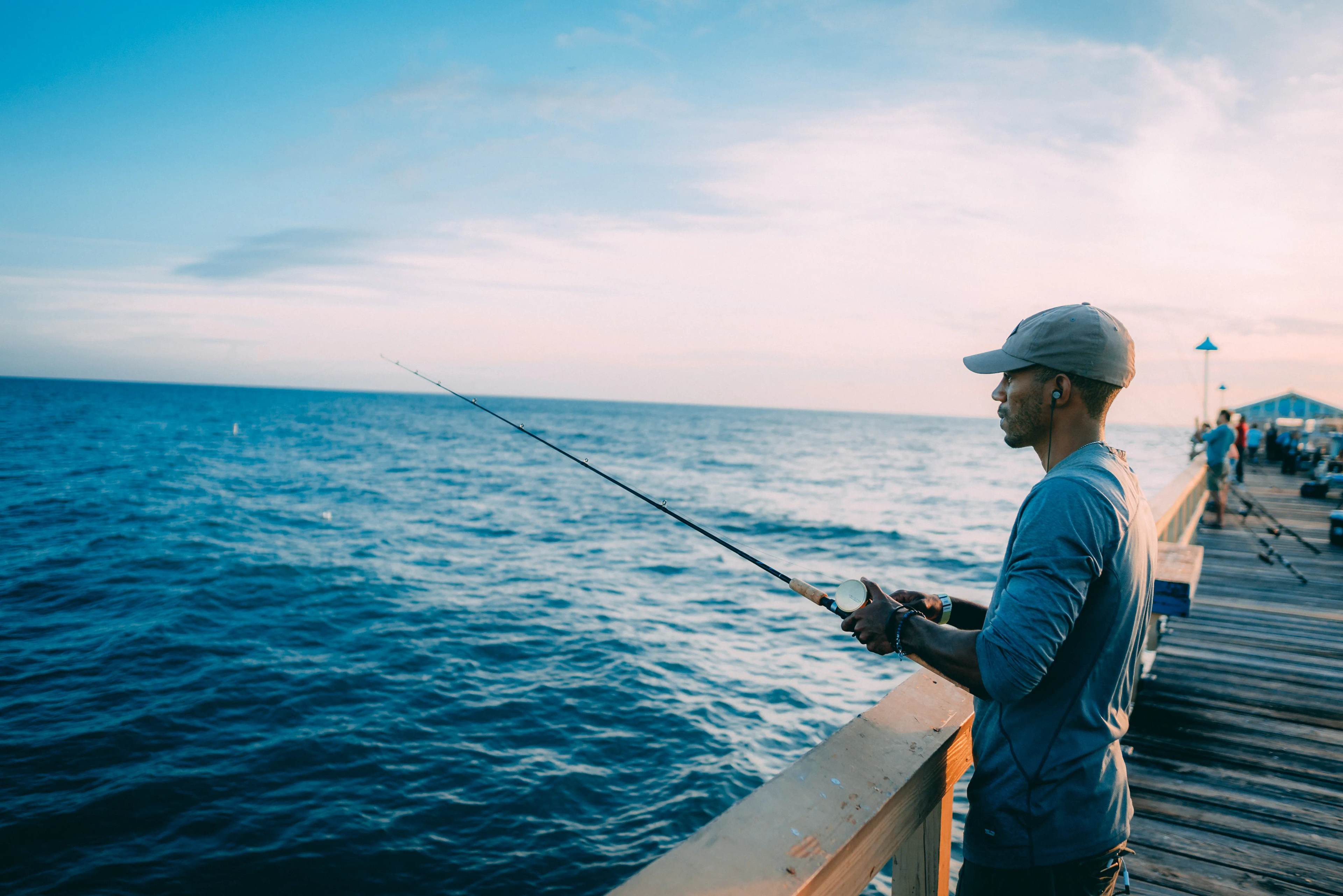
The St. Pete Pier, Downtown
A designated downtown fishing deck with Tampa Bay and the skyline around you.
Best: Evening tide
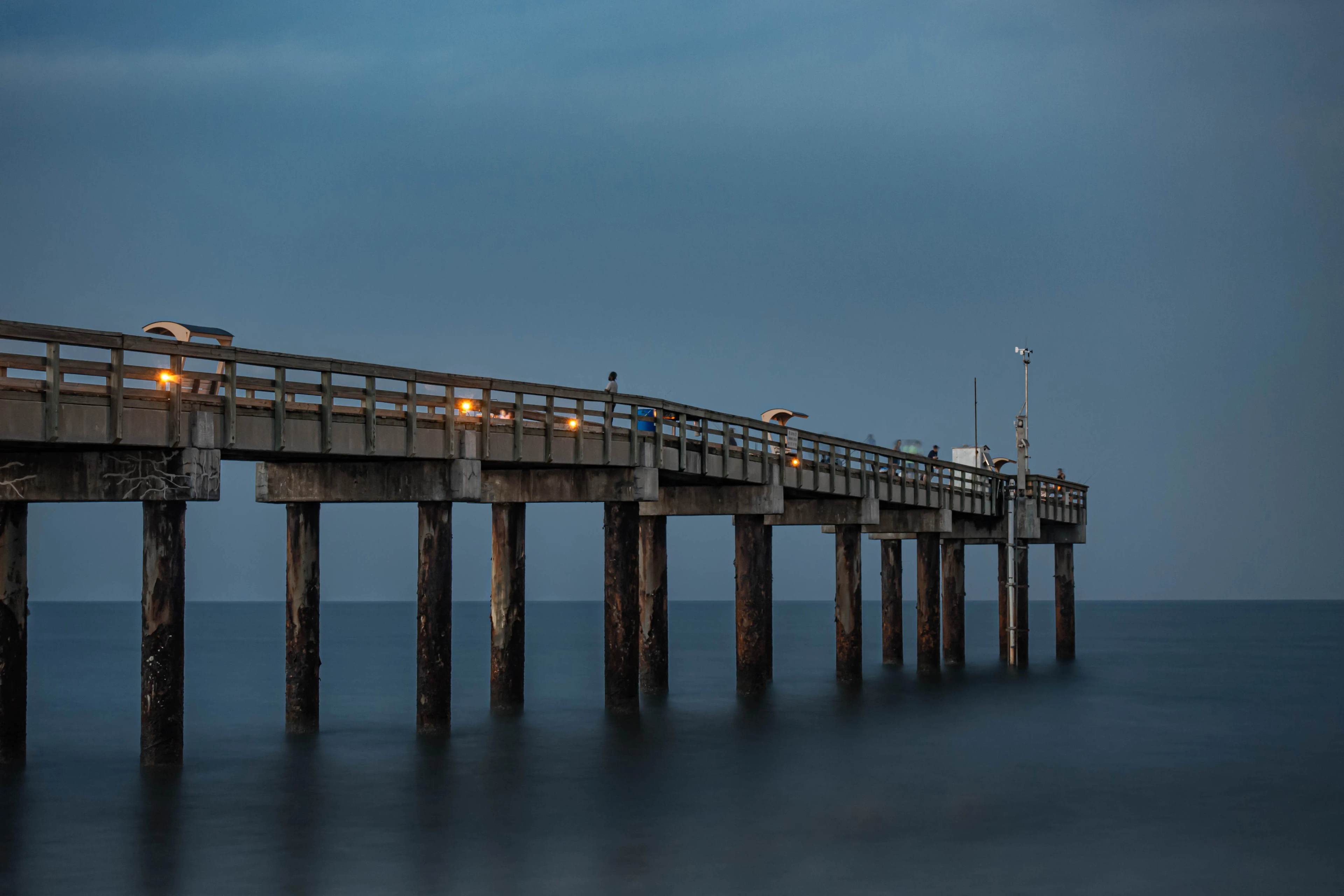
Sunshine Skyway · South of St. Pete
Historic bridge fishing over Tampa Bay, with current access restrictions to check before visiting.
Best: Night, moving tide
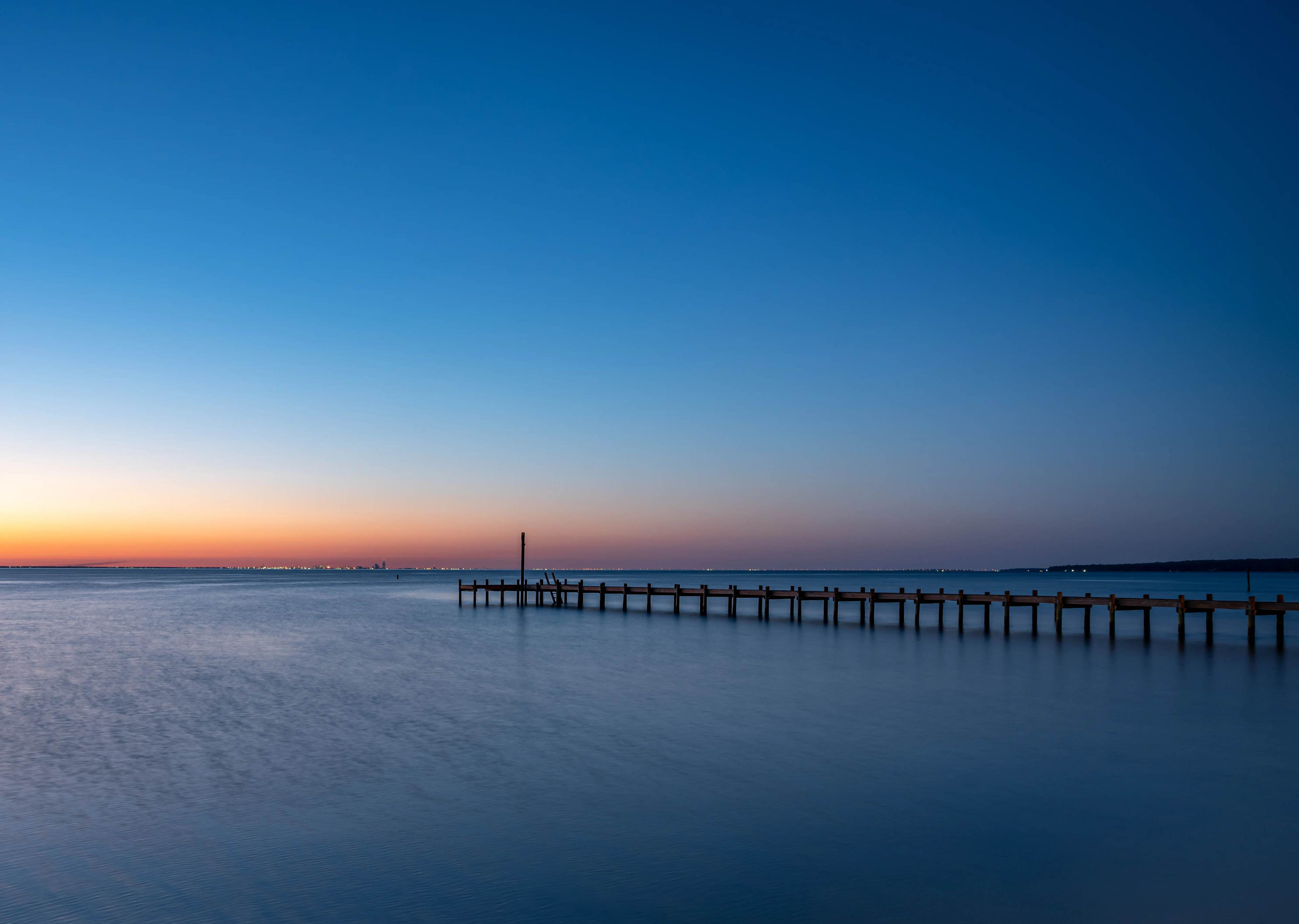
Beach Blvd, Gulfport
A short, free, friendly pier on Boca Ciega Bay, the one to bring a kid to.
Best: Late afternoon
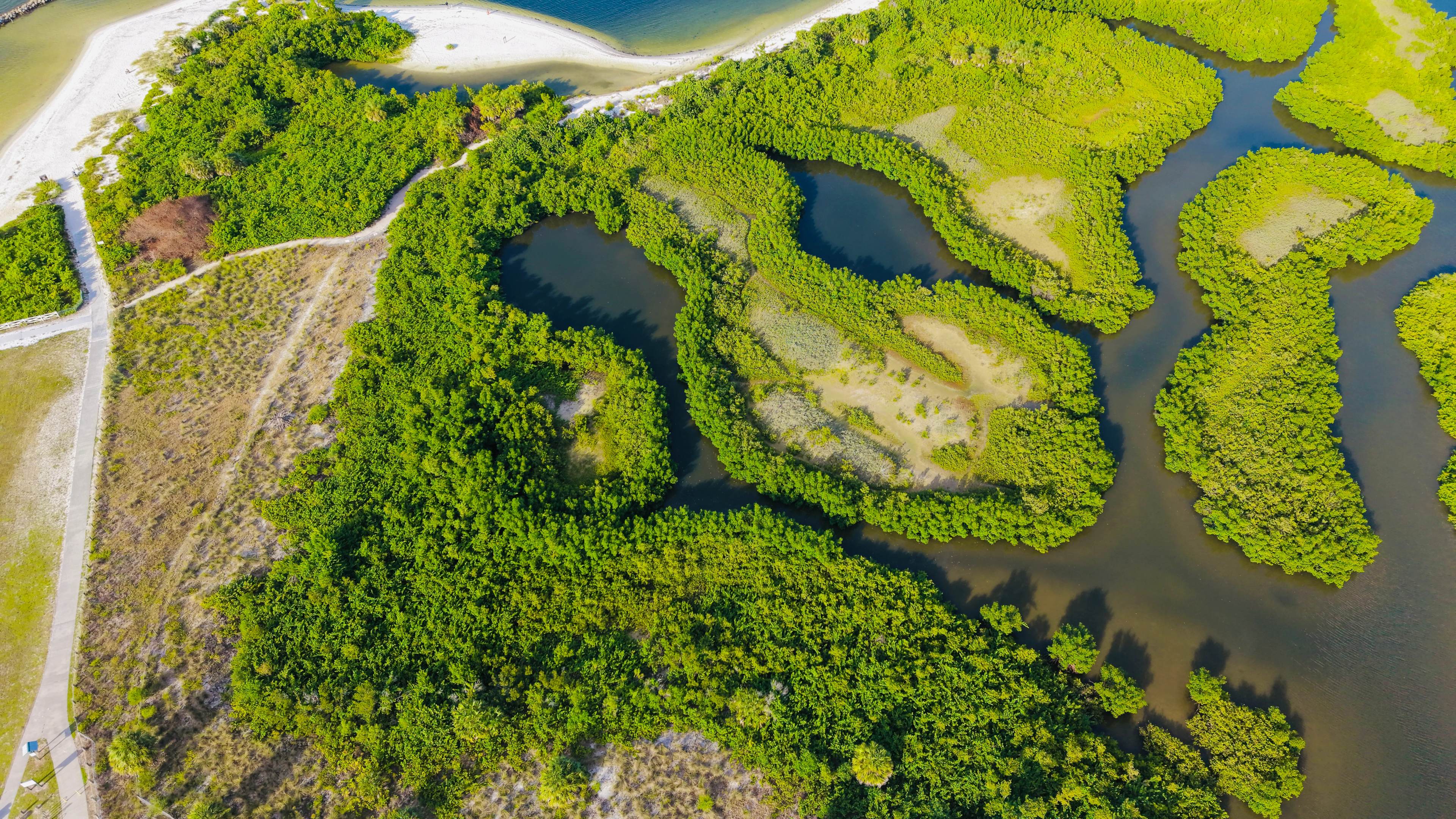
Weedon Island Preserve, NE St. Pete
A marked four-mile kayak trail through mangrove tunnels, and some of the best inshore fishing in the bay.
Best: Rising tide, early
Mapped
Skyway has separate pier approaches; use the park’s official access directions. Charter meeting docks must be confirmed with your operator. These entries are not represented by a generic map pin.
What's biting
What usually bites in each season. It is a guide, not a promise: weather and water temperature change things.
Spring · Mar–May
Warming water brings changing inshore opportunities. Match your target to water temperature, bait and the latest weather.
Summer · Jun–Aug
Tarpon draws anglers to the region. Plan around heat, thunderstorms and site opening hours; bring water and a shelter plan.
Autumn · Sep–Nov
Cooling water can change activity on the flats. Look for bait and suitable conditions; harvest seasons are separate from fishing opportunities.
Winter · Dec–Feb
Sheepshead and black drum are potential structure targets. Cold fronts affect both fish activity and safe fishing conditions.
The species guide
Learn the fish you might catch, what they eat and where they live. Each fish has a link to the state's rules. Check it before you keep one.
Take the rules with you
Save every size limit, bag limit and season to your phone. Opens offline on any device, and prints to PDF if you want one for the boat. Checked against FWC on 2026-09-12.
Your fish field guide
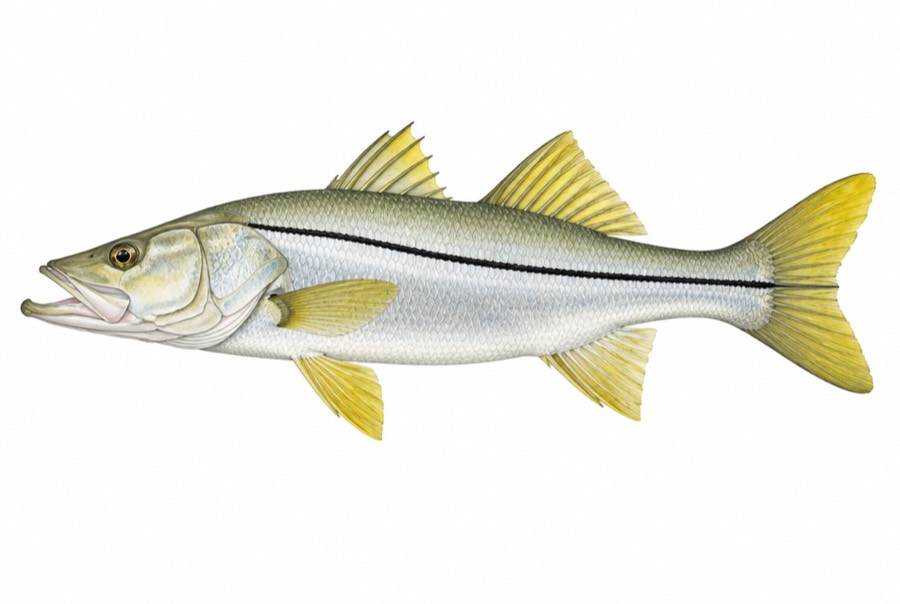
Centropomus undecimalis
Sharp black lateral line down a silver flank; jutting lower jaw.
Harvest requires a snook permit in addition to a saltwater licence, unless exempt. Hook and line only; must stay whole until landed.

Sciaenops ocellatus
Coppery bronze with at least one black spot at the tail base.
Nine regional management zones statewide. Tampa Bay runs Fred Howard Park south to SR 64.
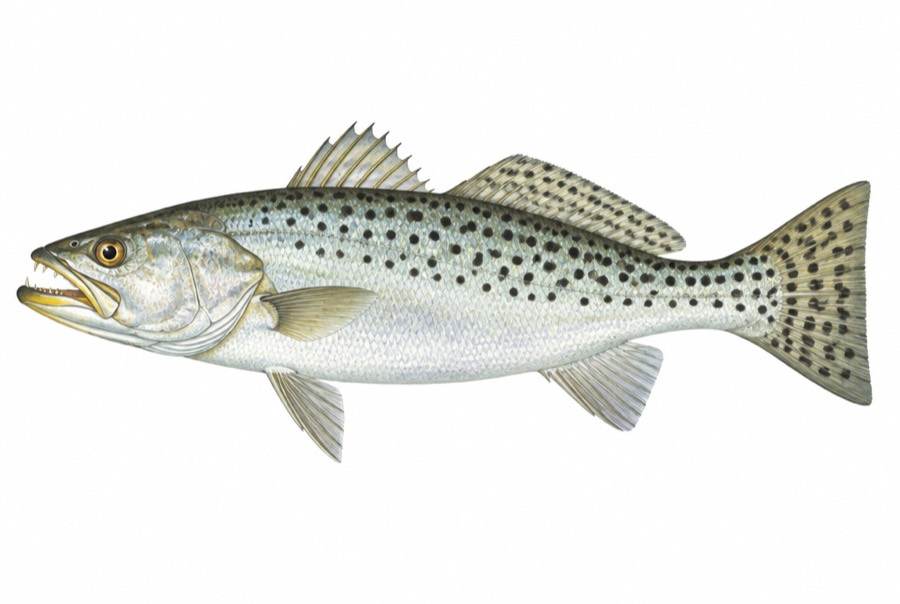
Cynoscion nebulosus
Silver with scattered black spots into the tail; two large canines.
Hook and line or cast net only. Must remain whole until landed.
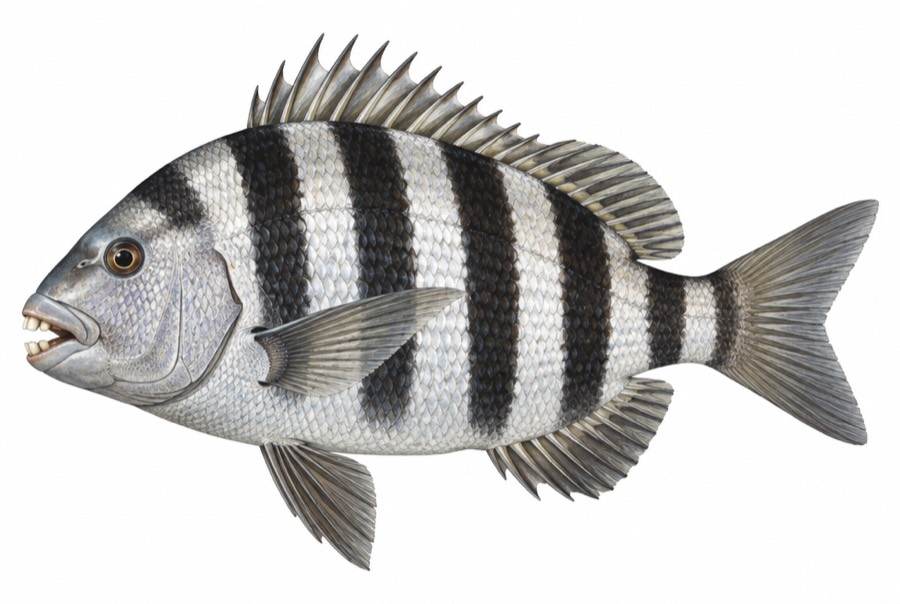
Archosargus probatocephalus
Bold vertical black bars and unmistakable human-like front teeth.
Snatching prohibited. Vessel limit of 50 fish during March and April.
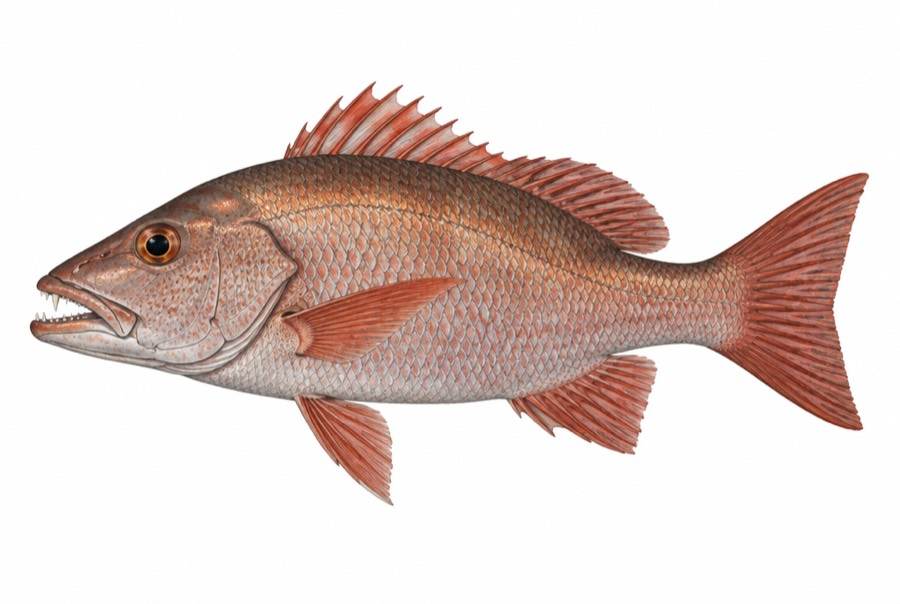
Lutjanus griseus
Coppery grey, pointed snout, visible canines, reddish fins.
Counts inside the 10-fish aggregate snapper bag limit.
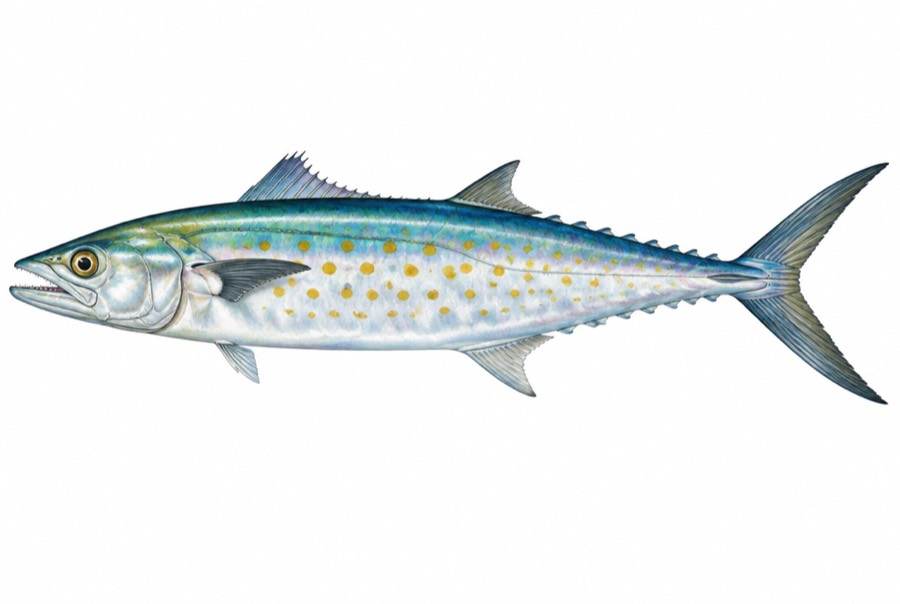
Scomberomorus maculatus
Green back, silver sides scattered with round golden spots.
Measured to the fork of the tail, not the tip.
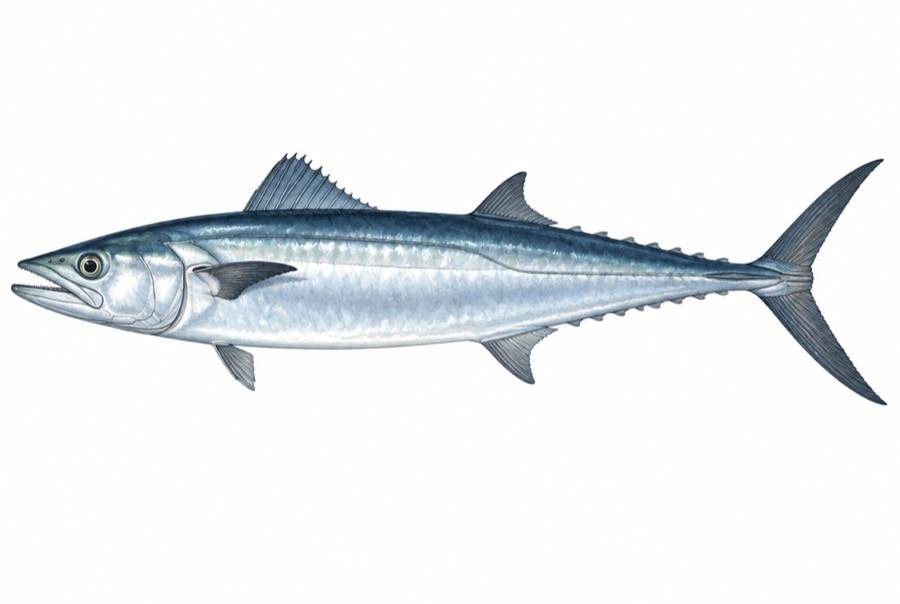
Scomberomorus cavalla
Like a Spanish mackerel but far larger and without the gold spots.
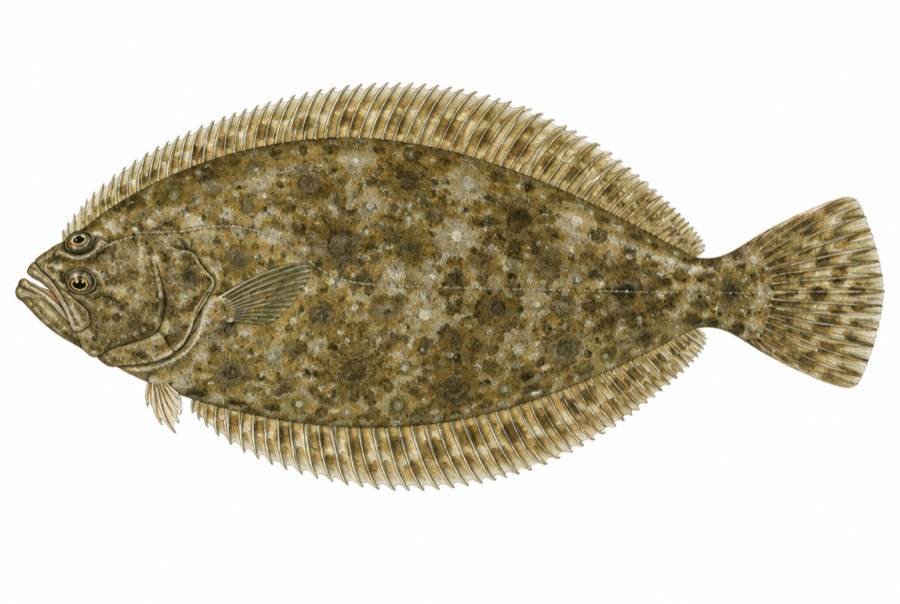
Paralichthys lethostigma
Flat, both eyes on the left side, mottled to match the bottom.
May be harvested by spearing. Snatching prohibited.

Pogonias cromis
High-backed and grey with chin barbels; juveniles show dark bars.
Snatching prohibited.
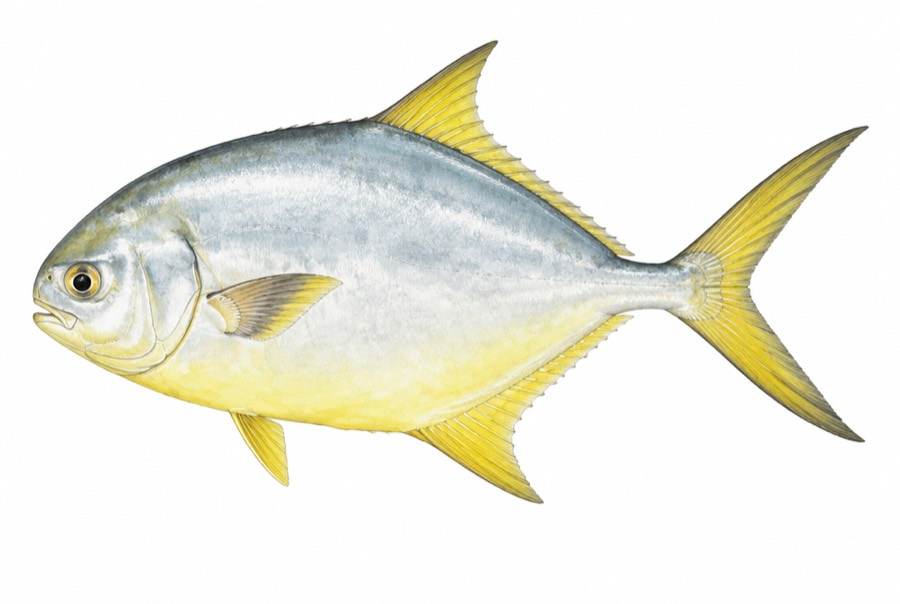
Trachinotus carolinus
Deep, flat, bright silver with a yellow wash on the belly.
Hook and line, cast net, or beach/haul seine only.
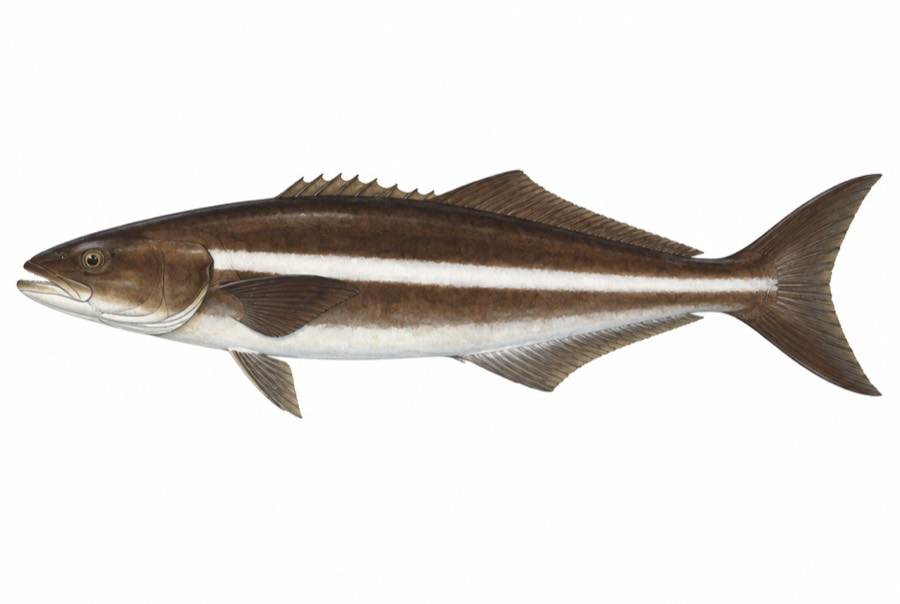
Rachycentron canadum
Dark brown torpedo with a white side stripe and a flat, broad head.
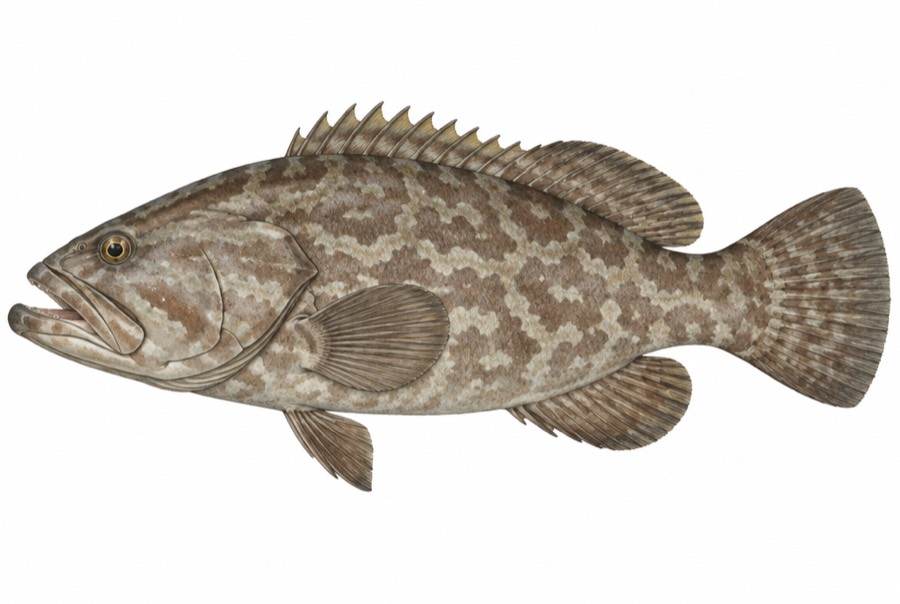
Mycteroperca microlepis
Brownish-grey with faint marbled wavy markings; big bucket mouth.
Gulf gag seasons have shifted repeatedly in recent years. Never assume last year's dates.
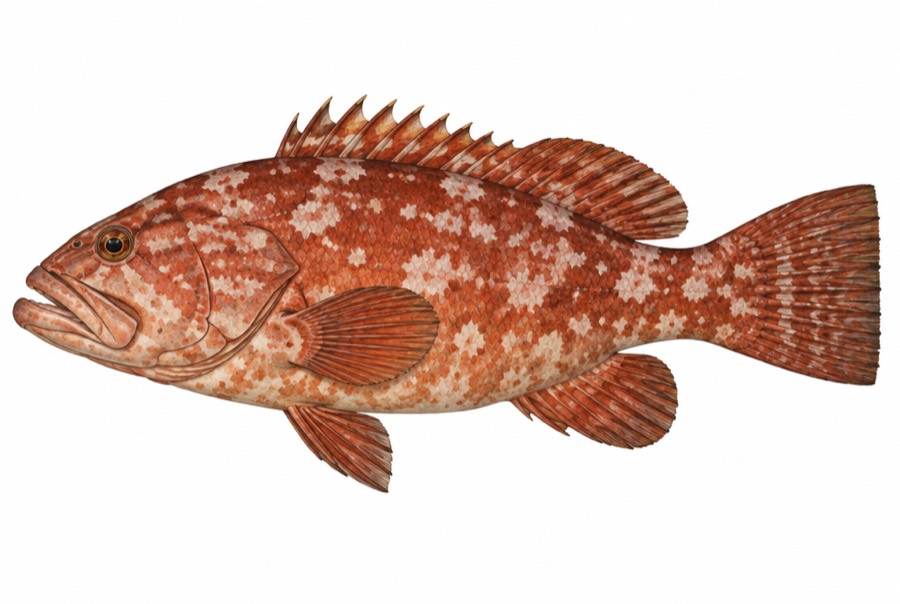
Epinephelus morio
Rusty red-brown, blockier than a gag, with a squared-off tail.

Lachnolaimus maximus
Long pig-like snout; males carry a tall dark forehead.
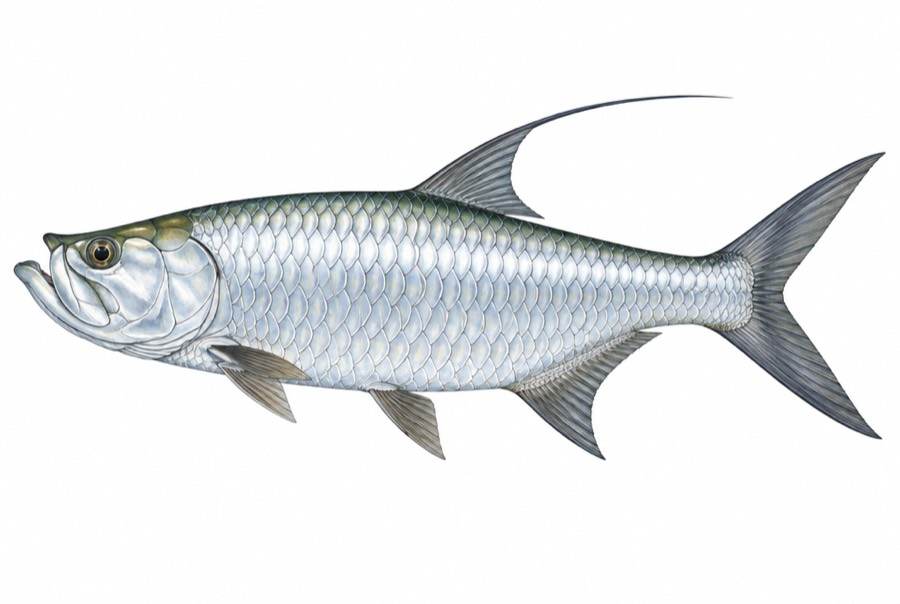
Megalops atlanticus
Huge silver plate-like scales, upturned jaw. Unmistakable.
A harvest tag is only for a potential IGFA record. Tarpon over 40" must stay IN the water during release. Spearing and snatch hooking prohibited.

Trachinotus falcatus
A big silver disc with sickle fins, like a pompano scaled up.
A separate Special Permit Zone in South Florida has different rules and an Apr 1 – Jul 31 closure. Tampa Bay sits outside it.
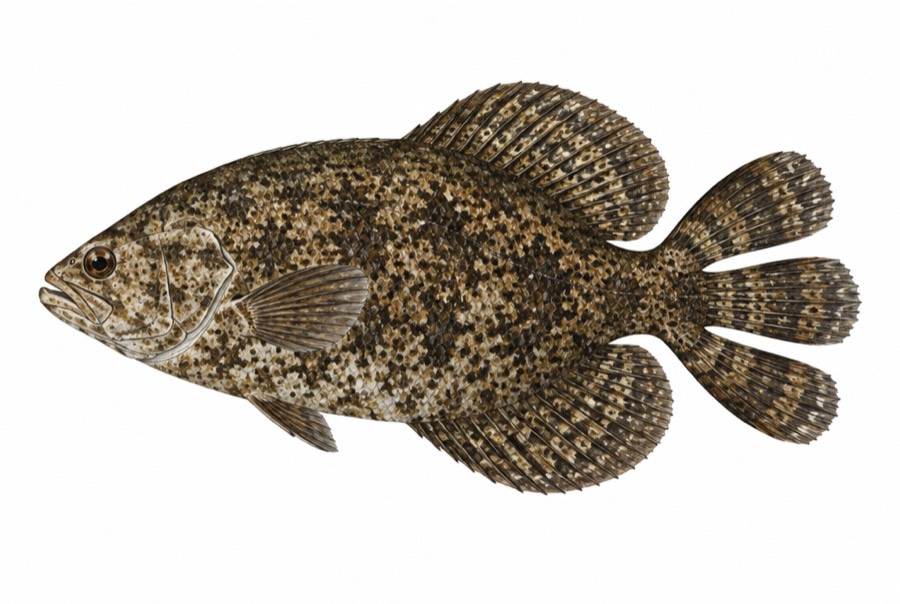
Lobotes surinamensis
Mottled brown with rear fins set so far back it looks like three tails.
Hook and line only. No snatch hooks.
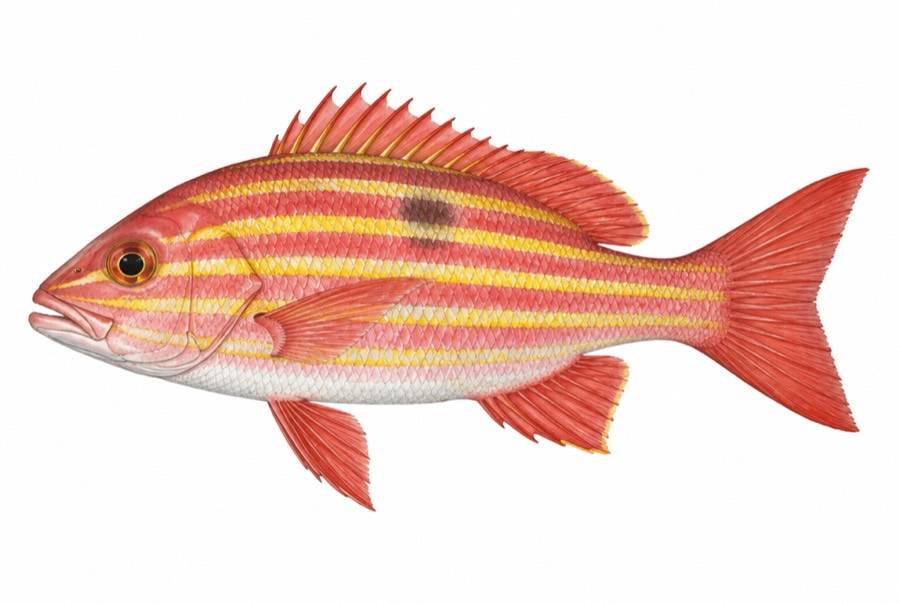
Lutjanus synagris
Pink-red with horizontal yellow stripes and a faint dark side spot.
FWC flagged NEW lane snapper regulations effective April 1, 2026. Check before keeping any.
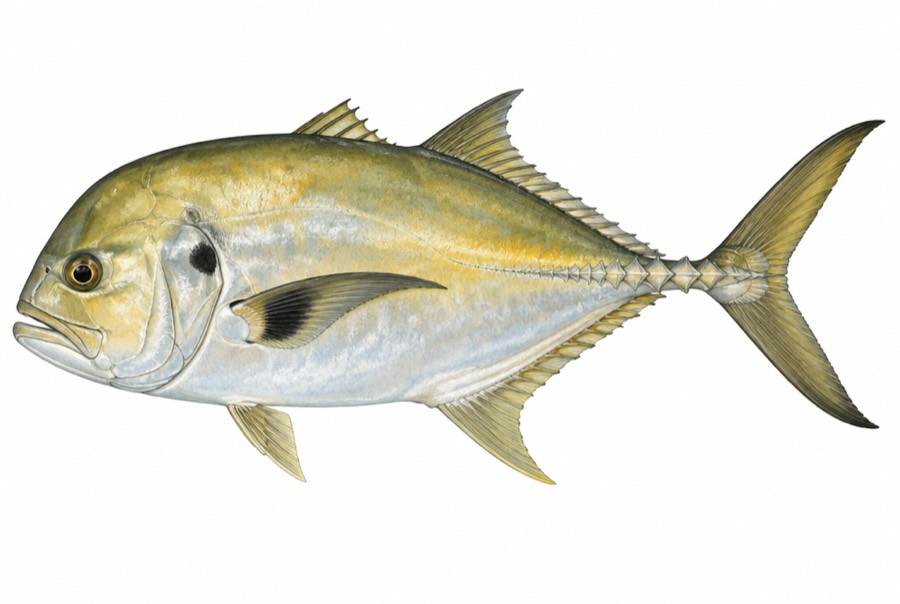
Caranx hippos
Blunt steep forehead, golden flank, hard scutes at the tail base.
Unregulated doesn't mean unlimited in practice. It's poor eating and almost always released.

Elops saurus
Slim, bright silver, big eye. Jumps repeatedly when hooked.
Nicknamed the 'poor man's tarpon'. Excellent cut bait for redfish.
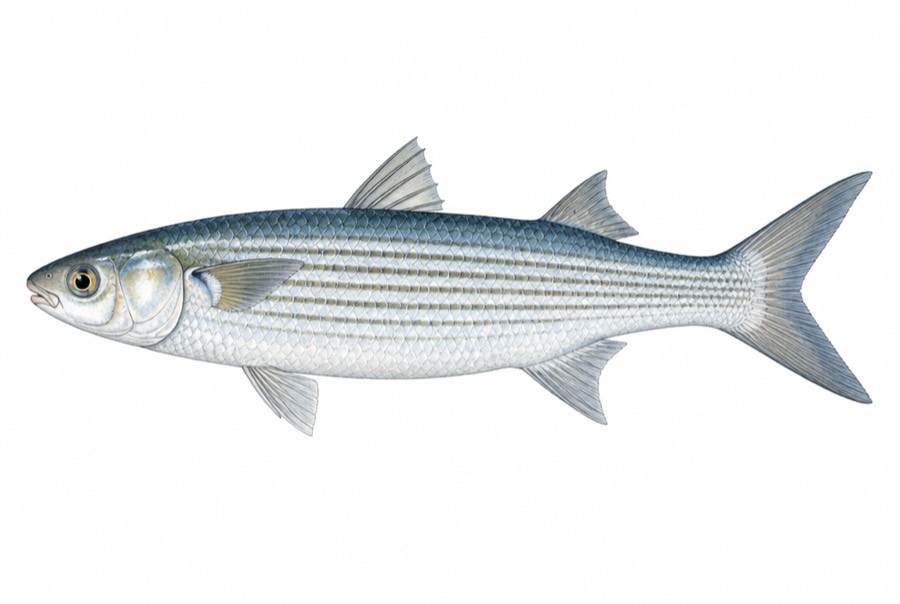
Mugil cephalus
Torpedo-shaped, faint horizontal stripes, blunt head. Leaps constantly.
The foundation of the whole food chain here, the autumn mullet run drives the best fishing of the year.
Regulations last checked September 12, 2026 against the FWC 2026 Saltwater Recreational Regulations and the per-species pages at myfwc.com. Sizes and bag limits use the Tampa Bay management zone, which covers St. Petersburg. These are legal limits with real penalties, and FWC changes them, sometimes mid-season. Confirm at myfwc.com or in the Fish Rules app before you keep anything.
Bait
Match the bait to your target, the water and the local gear rules. Start with the illustrated options below.
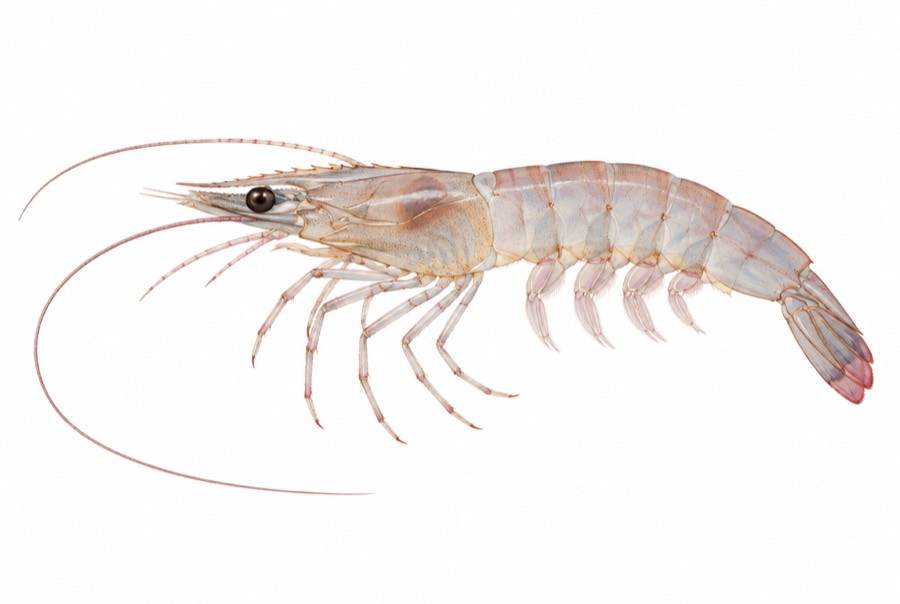
Almost everything: trout, redfish, snapper, sheepshead, drum, flounder.
Hook through the horn (avoiding the dark spot) or the tail. Fish under a cork over grass, or free-lined around structure.
Every bait shop. A dozen is plenty for a morning session.
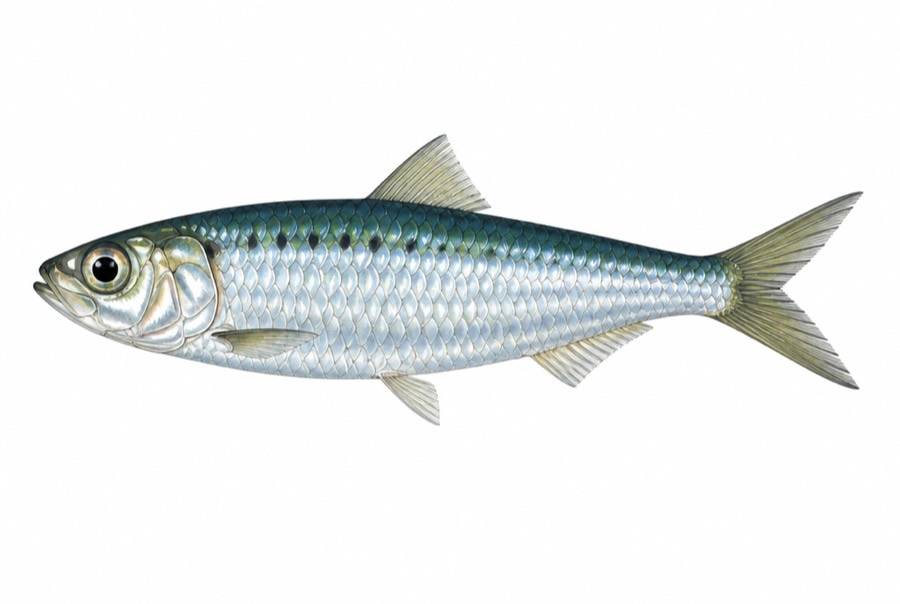
Snook, redfish, tarpon, mackerel, kingfish.
Free-line live, or chum with them to fire up a school. The premium snook bait.
Cast-netted over grass flats, or bought from bait boats in season.
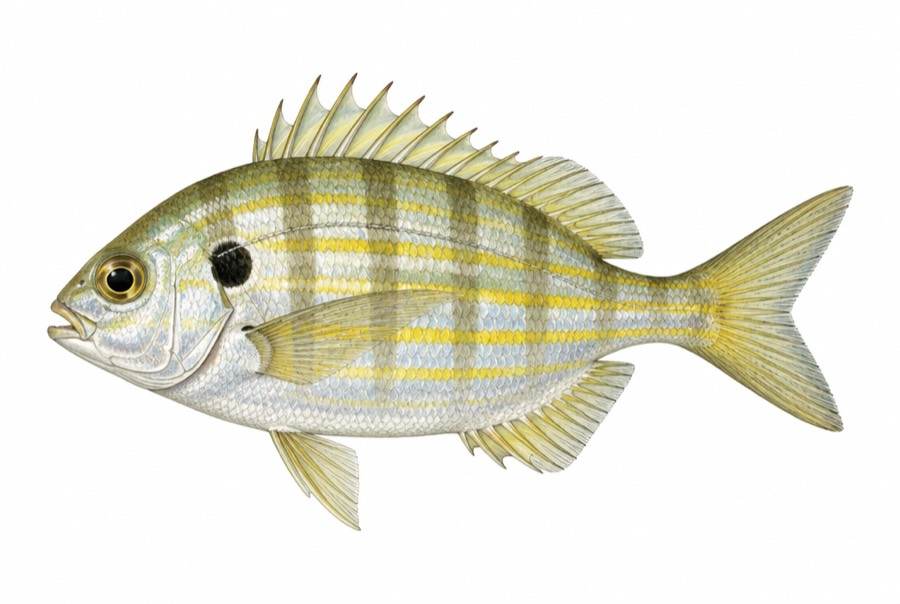
Grouper, cobia, big snook, large trout.
Hook through the nose or behind the dorsal and fish it deep. Tough and long-lived on the hook.
Easily trapped or caught on tiny hooks around any dock.

Sheepshead above all; also black drum and permit.
Hook through the shell from one side and drop it tight against a piling.
Bait shops in winter, or gathered from mangrove mud at low tide.
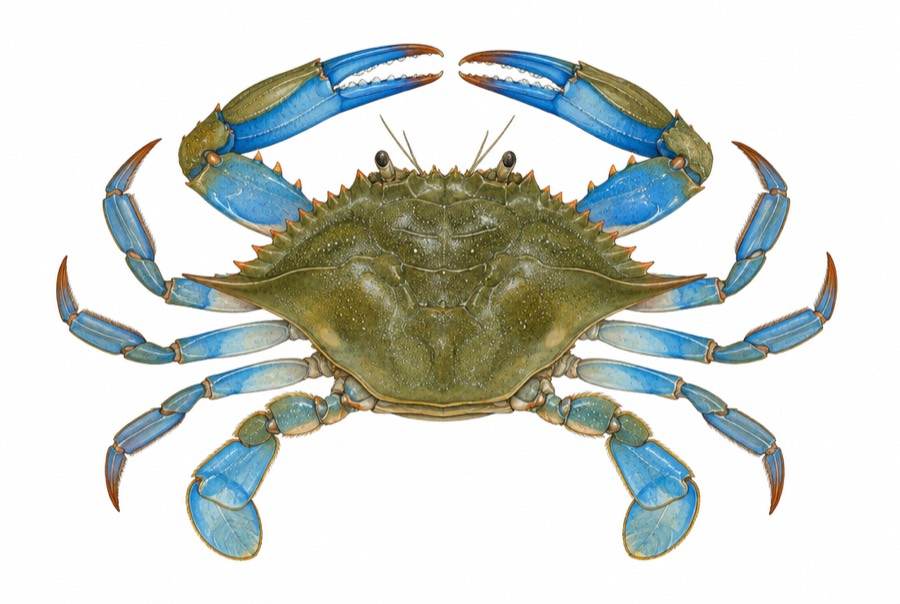
Tarpon, big black drum, permit, large redfish.
Use a quarter or half crab for drum; a whole small crab, claws removed, for tarpon.
Bait shops, or trapped. Know the legal size and season for keeping crabs.

Kingfish, mackerel, tarpon, cobia.
Slow-troll or drift live. Delicate: keep the livewell moving and don't overcrowd it.
Cast net over nearshore bait schools, or buy from a bait boat.
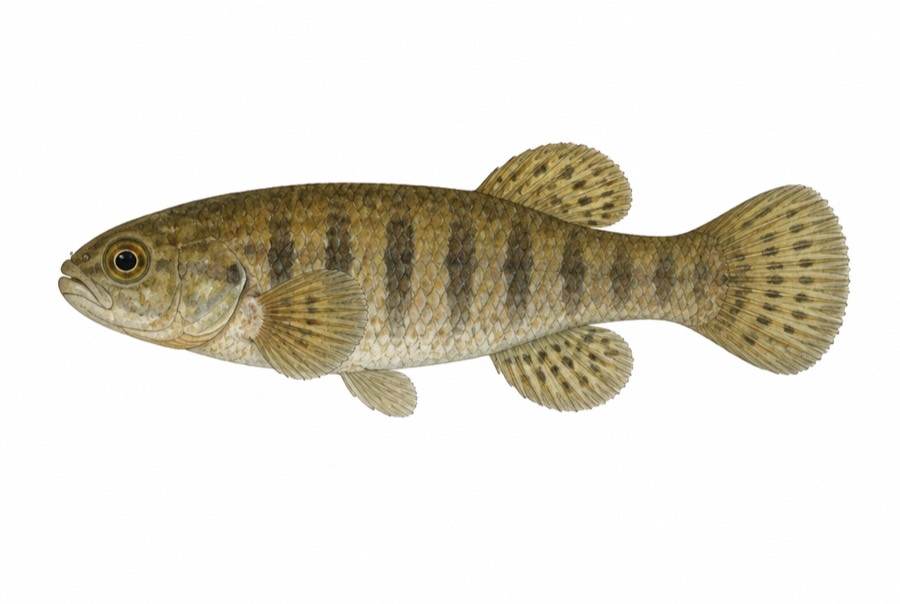
Flounder above all; also redfish and trout in cold water.
Hook through the lips and drag slowly along a sandy bottom. Extremely hardy: stays alive for hours.
Minnow traps in marsh creeks, or bait shops near flounder season.

Pompano, whiting, sheepshead, black drum.
Hook from underneath through the shell. The number one surf bait on this coast.
Free: dig them from the wet sand in the swash zone at low tide.

Kingfish, big grouper, cobia, sharks.
Slow-troll or drop live near structure. Tough enough to survive a long soak.
Caught on small jigs around nearshore markers and reefs.
Bait shops
Live shrimp, frozen bait and tackle near the piers and flats, from St. Pete to Tampa.
All 35 bait and tackle shops around the bayFrom OpenStreetMap; call ahead for live bait, stock changes daily.
GO A LITTLE DEEPER
Useful answers for the trips
that need a little more planning.
Choose the actual launch, not a park’s mailing address. Check trailer parking, operating hours, ramp condition, tides and your return route. Carry navigation appropriate to the trip.
Use the county’s official reef map and GPS list. Reef coordinates identify structure; they do not establish a safe route, a legal harvest season or today’s sea conditions. Check state and federal rules for the actual water.
Confirm the meeting dock, trip length, target species, passenger limit, license coverage and what gear is included. Ask about weather cancellation, restroom access, gratuity, fish cleaning and whether the price is per person or per boat.
Keep the first outing short. Pick permitted fishing access with nearby toilets, a manageable walk and a clear place to land fish. Bring water, shade protection, spare tackle and an easy exit if the weather turns.
Lake Maggiore is a different trip from the bay. Use freshwater license and harvest guidance, confirm local access restrictions and stay clear of alligators. The saltwater species limits on this page do not apply.
Shore-based shark fishing has its own training, permit, gear and release requirements. Read FWC’s full rules before targeting sharks; local fishing prohibitions still apply.
Weather first. Have a shelter plan before fishing. If thunder is audible, stop and get to a substantial building or enclosed vehicle; a pier shelter is not lightning protection. NWS lightning guidance
Release with care. Minimize handling, support the fish and use the appropriate landing and release tools. Keep discarded line away from birds and wildlife. FWC handling guidance
Keeping fish? Identify it first, measure using the required method and check location-specific limits. Consult Florida’s fish-consumption advice before choosing what to eat.
Before you go
Coverage depends on residency, how you fish and exemptions. A free-access pier is not automatically license-free. Fort De Soto currently requires a fishing license, including on its piers. Use the license tool above and confirm with FWC.
Contact the location before leaving without gear. St. Pete Pier lists Gator Jim’s Tackle, and Fort De Soto lists a Gulf-pier bait concession. Confirm rental availability, opening hours and bait stock; a charter can be another option.
Live shrimp is a versatile starting point for many inshore species. Ask the bait shop about your target and location; bait size, presentation and local hook restrictions still matter.
Use tide predictions together with the weather, site opening hours and your target species. Water movement can help, but a high or low tide is not a direct measurement of current. Times vary around the bay and passes.
Some of it. Size and bag limits vary by species and season, and some (like snook) need a separate permit and have closed seasons. The FWC app gives current limits by species. Check before keeping anything, and release anything you're unsure about.
Licence requirements, size limits and closed seasons are set by the Florida Fish and Wildlife Conservation Commission and change from year to year. Treat everything here as a starting point and confirm current rules with FWC before you fish.
Resources
Conditions and rules change. These official resources are your final check before departure.
The authority on every size, bag limit and season in this guide. Updated continuously.
LicencesFlorida's official licence portal. Saltwater, freshwater, and the separate snook and tarpon permits.
MobileShows the rules for exactly where you're standing. The practical way to check on the water.
TidesMoving water matters more than time of day. Official predictions for the St. Pete gauge.
WeatherMarine forecasts and small craft advisories. Check before any offshore or Skyway trip.
ConditionsKarenia brevis blooms close beaches and kill fishing. FWC's current statewide map.
Know a better spot?

The local guide
AI-powered · locally curated
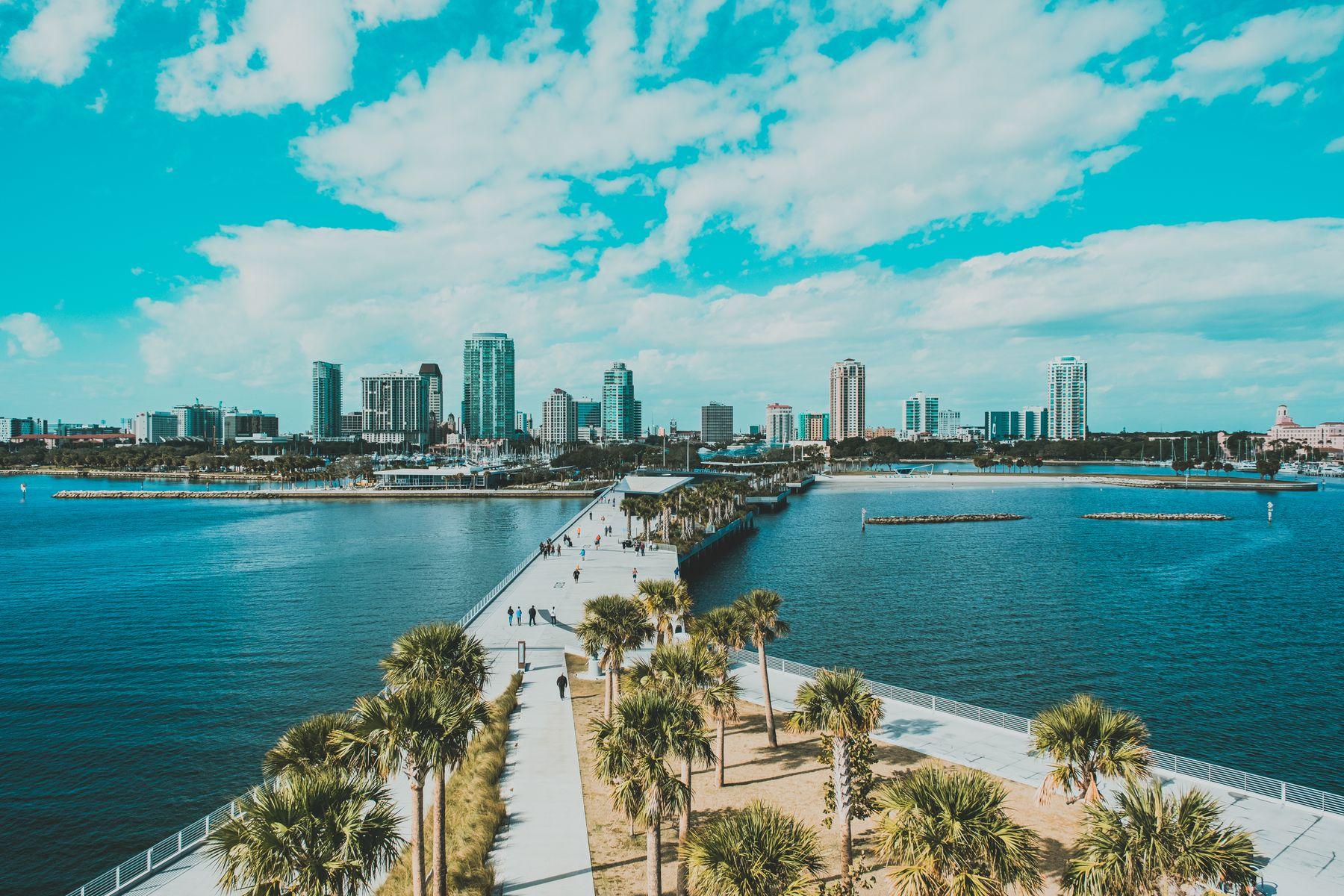
Good days start
with a local tip.
Tonight’s events, today’s deals, a great table or a quiet beach. Answers come from this guide and its live calendar.
Start with one of these